By Flavian DeLima , Twitter: @flaviandelima
The world changed over the past two and half years since the pandemic began. I believe people changed more significantly than they realize and for the better.
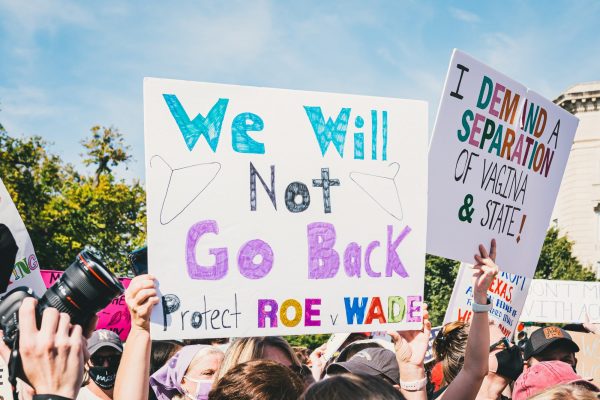
Conversation after conversation showed that people were asking more introspective and meaningful questions. They began challenging their own assumptions and beliefs about their communities, social networks, friendships, institutions, and even their government. After George Floyd was killed, they watched and some participated in the largest anti-racism global protests in history. They questioned if this was the great reckoning that would lead to lasting change. For the first time, they questioned Canada Day and some canceled their celebrations after hundreds of unmarked graves were found at former Indigenous residential schools in various provinces.

Why am I here?
Why am I here and what if this is not the right path for me? Their questions challenged their assumptions and beliefs about their communities, social networks, friendships, institutions, and even their government. After George Floyd was killed, they watched and some participated in the largest anti-racism global protests in history. They questioned if this was the great reckoning that would lead to lasting change. They questioned the country’s celebrations and some even canceled their Canada Day celebrations after hundreds of unmarked graves were found at former Indigenous residential schools in various provinces.
The Rise of the Creator Economy
During this period, tens of millions of people joined the online economy as content creators, consumers, or both. The great resignation of 2021 happened as millions of people felt disconnected and dissatisfied with how their workplaces and bosses treated them. Inspired by Gen Zers, the YOLO economy of 'You Only Live Once' took off across the spectrum.
Innovation in the online economy accelerated by 5 to 10 years. Content creators began shifting to new 'creator-friendly' technology platforms that promised better financial opportunities. They also promised better representation and visibility for minority creators. As often happens, it turns out, the online creator economy mirrored the real world and wasn't as even as everyone hoped. In an unregulated space, access to opportunity whether financial or other was limited or restricted to those with the right connections and network. Racial discrimination, online hate, and a willingness to intentionally be non-inclusive toward visible minorities take on a whole new meaning in the online world.
Stories of people of color creators filled with guilt abound as they chase their dreams without role models, support networks, or adequate runways to properly fail and try again. Structural racism is embedded in something called algorithm basis with the big social media platforms. Brand sponsors happily pay creators of color who don't know any better about one-third less than their white counterparts. The influencer marketing industry has been going strong for well over a decade, yet the online pay gap for people of color and women doesn't get enough attention.
The online creator racial pay gap
The influencer marketing industry is estimated to grow from $6bn in 2020 to $24.1bn by 2025. But the distribution of wealth is far from equal. The House of Commons digital, culture, media, and sport committee recommended the UK government investigate influencer pay standards. It's part of a larger review of the influencer industry stemming from inconsistent pay rates and evidence of a racial pay gap. While it's possible to have a successful career as an influencer, payment from brands to influencers "varies widely".

This is in line with a study, published in December 2021, called, "Time to Face the Influencer Pay Gap". It found that in the $16.4 billion influencer industry in the US, the pay gap between white influencers, and those who are Black, Indigenous, and people of color, was 29%. Between white and Black influencers, the pay gap was as high as 35%. Moreover, 49% of Black influencers felt their race was part of the reason for low pay while 59% felt that posting about their race negatively impacted them financially. Women influencers earn 30% less than men.
Spinning Forward
I started Spinning Foward to show people of color how to get in touch with the best version of themselves in the online world. Basically, how they could get stronger and succeed faster, despite the obstacles they face. The best way to do that is to change the conversation and have role models locally, that look like you.
The name Spinning Forward comes from the book, The World Only Spins Forward, and the film adaptation, Angels in America from the AIDS era in the 1980s. The authors, Issac Butler and Dan Kois tell the story of a group of people struggling with AIDS on the one hand with love, meaning, purpose and excitement, and on the other with fear, discrimination, inequity, and uncertainty.
The second time 'Spin Forward' appeared in the media was at the start of the Covid-19 pandemic in 2020 under the backdrop of Black Lives Matter protests. It was characterized by uncertainty, fear, discrimination, racial inequity, and injustice but also hope, change, and optimism.
I feel Spinning Forward captures the optimistic yet uncertainty of how present-day creatives can successfully participate and express themselves at the intersection of where the real world and the online creator economy meet. We cover the emerging creator economy from the perspective of underrepresented and overlooked creators of color and communities due to the ongoing obstacles they face.
Most people will have two side-by-side careers
Most people today will have two careers side-by-side, at the same time. One will be the 9 to 5 job, which may feel like unfulfilling drudgery day in and day out. Burning out slowly is inevitable unless you pursue your dream career at least part-time. It will make you come alive, feel awake, and fully expressed because it's all you. You might never take the plunge to make a full-time switch to your dream career. But that's ok because you've still taken your shot despite the fear. Not taking a shot at all towards a dream career is not ok when you realize it's who you are.

Spinning Forward wants to help creator communities of color get stronger from the purview of the online creator economy. We want to cover the big picture but also what's happening in communities across the Greater Toronto Area where most creators launch their dream careers from their bedrooms without support or fanfare. We want to shift the conversation where if you look different in a certain industry, you won't be labeled the 'other', the outsider, or the imposter waiting to be found out and sent home.
I hope you'll stick around as we cover the creator economy, how creators of color fit and how they are spinning forward despite the hurdles and obstacles.
– Flavian, Publisher & Founder